


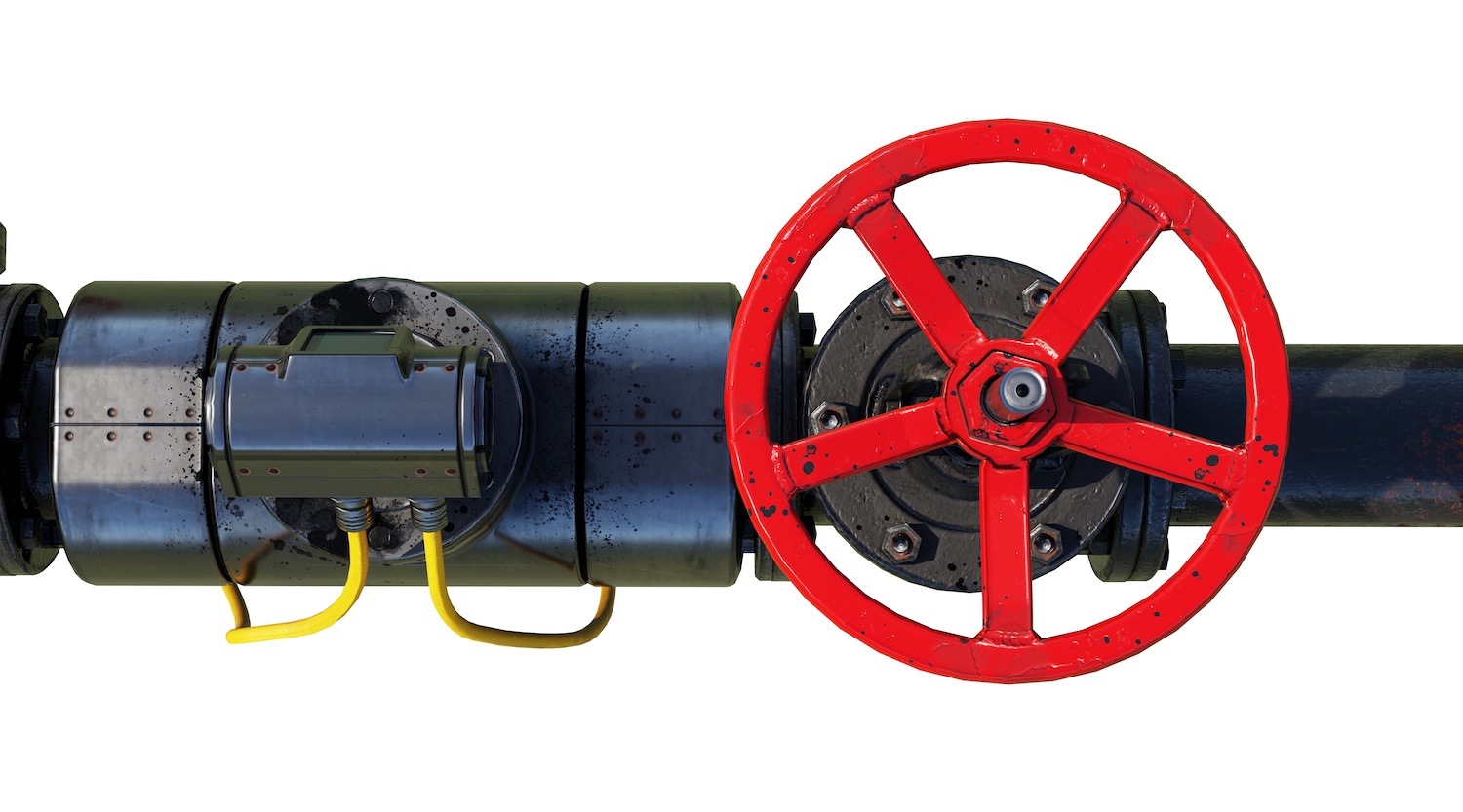
The mining sector is an area characterized by the intense transfer of dust, granular, and bulk materials, high abrasiveness, and the vital importance of process safety. In these challenging and wear-intensive conditions, the slide gate valve (also known as a knife gate valve or slide damper) plays a pivotal role in effectively controlling and instantaneously cutting off material flow. Thanks to their simple yet effective design, high sealing capacity, and rapid opening/closing performance, slide gate valves are indispensable equipment that maximize efficiency and operational safety in mining facilities.
How to Choose the Ideal Valve for Mining Processes?
Valve selection in mining processes must be done meticulously based on the physical properties of the conveyed material (ore, concentrate, tailings, etc.) and the tough working conditions of the process. The slide gate valve is usually the first choice for completely stopping or starting the flow of free-flowing, dry bulk materials (such as micronized mining raw materials, coal dust, calcite, or ore powder).
The key and determining criteria that influence the correct selection are:
- Material Abrasiveness: Since the material in ore transfer lines is highly abrasive, it is mandatory that the valve body and the slide plate (knife) are manufactured from abrasion-resistant steel alloys or materials with special coatings.
- Sealing Requirement: Models offering 100% dust-tight sealing must be preferred to absolutely prevent dust leaks and ensure environmental safety.
- Actuation Mechanism: In automated systems requiring high-frequency opening and closing, such as silo discharge, pneumatic (air-piston) or electric motor-driven valves offer faster and more reliable solutions compared to manual control.
In Which Processes Are Slide Gate Valves Used?
Slide gate valves have an exceptionally wide range of applications in mining and related industries. The main usage areas are the key points where material is stored and actively transferred:
- Silo and Hopper Outlets: To ensure the controlled and precise discharge of stored materials like ore, concentrate, or aggregate into weighing, dosing, or feeding lines.
- Flow Chutes and Conveyor Feed Points: To temporarily stop, divert, or provide a regulated flow of material to the conveyor system.
- Dosing Systems: To perform accurate and precise dosing during the mixing processes of chemical additives or different ore types.
How to Select the Right Valve in Ore Transfer Lines?
In ore transfer lines, the valve mostly operates under gravimetric (gravity) flow conditions and performs an instantaneous cut-off (on-off) function. When selecting a slide gate valve for these lines, the particle size of the material and the risk of material accumulation must be considered as main criteria.
- Particle Size: For fine, dusty materials, designs with special seals that ensure high dust-tightness are needed; for coarser-grained ores, models with a smooth internal surface to prevent clogging should be selected.
- Preventing Clogging and Jamming: In ore lines, valves with a non-contact bearing system instead of metal-to-metal sealing minimize the risk of jamming. The smooth surface of the valve blade and its ability to fully clear the flow cross-section upon full opening successfully prevent material accumulation and contamination.
The correct slide gate valve selection is an absolute necessity for the uninterrupted operation of mining facilities, reduction of maintenance costs, and long-term system performance.