


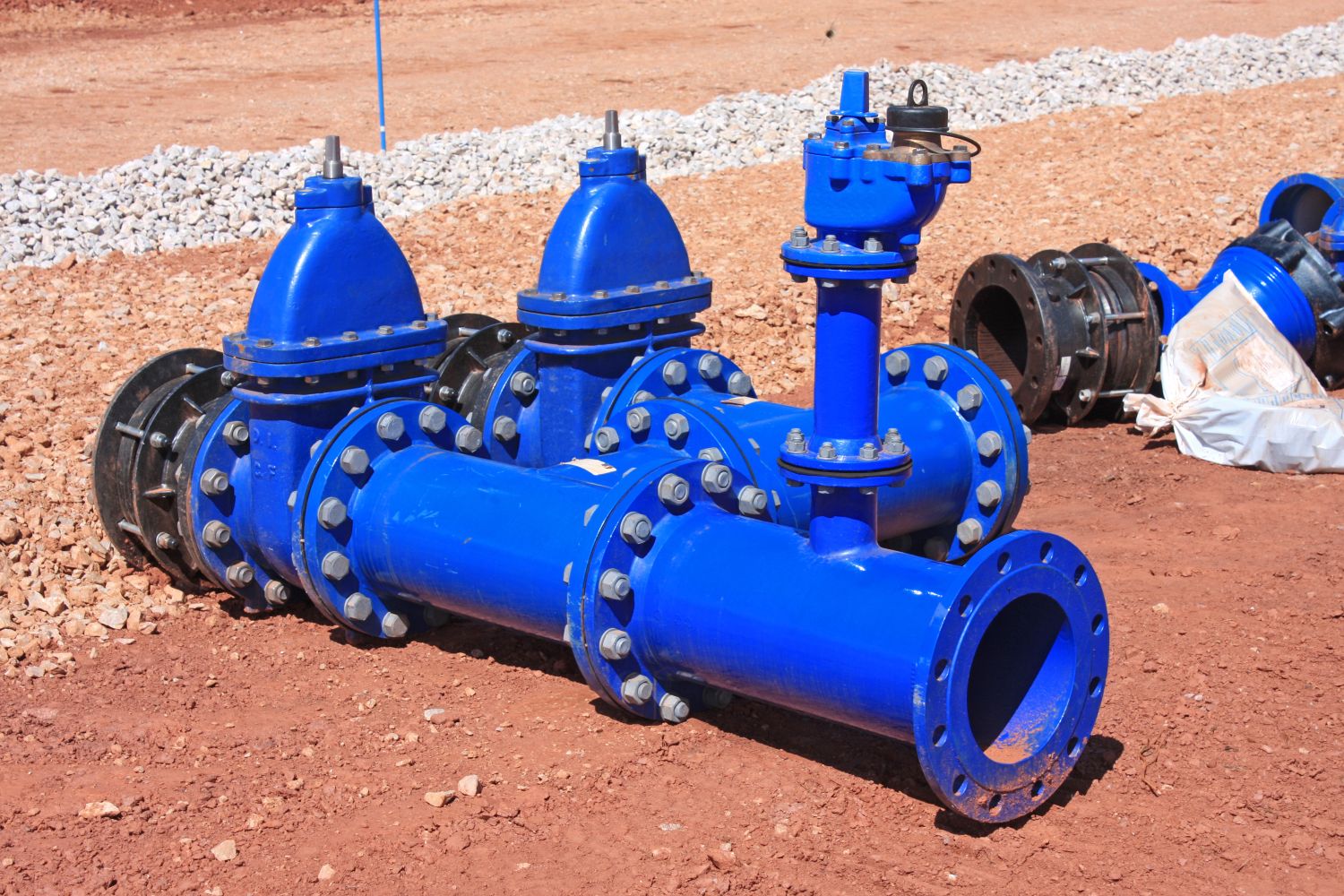
The size and dimensions of slide gate (slide gate) systems are critically important for effectively ensuring the control of material flow and guaranteeing the long-term operation of the system. Slide gate sizing is based on three fundamental factors, including the physical constraints of the place where it will be mounted, the conveying capacity requirements, and the unique properties of the conveyed material.
Geometric Constraints in Slide Gate Dimensions
The first constraint determining the slide gate dimensions is the geometry of the existing equipment to which the gate will be connected. The size of the silo or conveyor discharge outlet directly determines the dimensions of the gate’s inlet and outlet flanges. In industrial applications, standard square or rectangular dimensions are generally used for slide gate systems due to ease of integration and cost effectiveness. These standard geometries both provide ease of connection and reduce the risk of clogging by avoiding sudden constrictions in the material flow. The physical size of the gate must fully adapt to the limits of the existing installation.
Capacity Calculation According to Flow Rate
The most important engineering step of sizing is based on the flow rate (debi) of the material to be conveyed. The slide gate must ensure the material flows freely and without restriction, even at the highest flow rate demanded. Selection of a slide gate that is too small increases flow resistance, reduces the system’s potential, and can cause excessive wear. For this reason, the cross-sectional area of the gate opening is meticulously calculated to carry the targeted flow rate. This calculation also aims to optimize the slide gate operating life and performance.
Material Flow Characteristic and Special Requirements
The final factor affecting the slide gate size and design is the flow characteristic. Properties of the material such as particle size, density, degree of abrasiveness, and moisture content determine how effective the gate opening actually is. For example, large-lumped or sticky materials may require a wider opening for the same flow rate compared to fine powders. For highly abrasive materials (e.g., mineral ores), the slide gate system itself may need to be made of more robust, thick-sectioned, and special materials. These features, even in standard square or rectangular dimensions, affect the net passage area and the bearing details of the gate, guiding the final slide gate selection.