


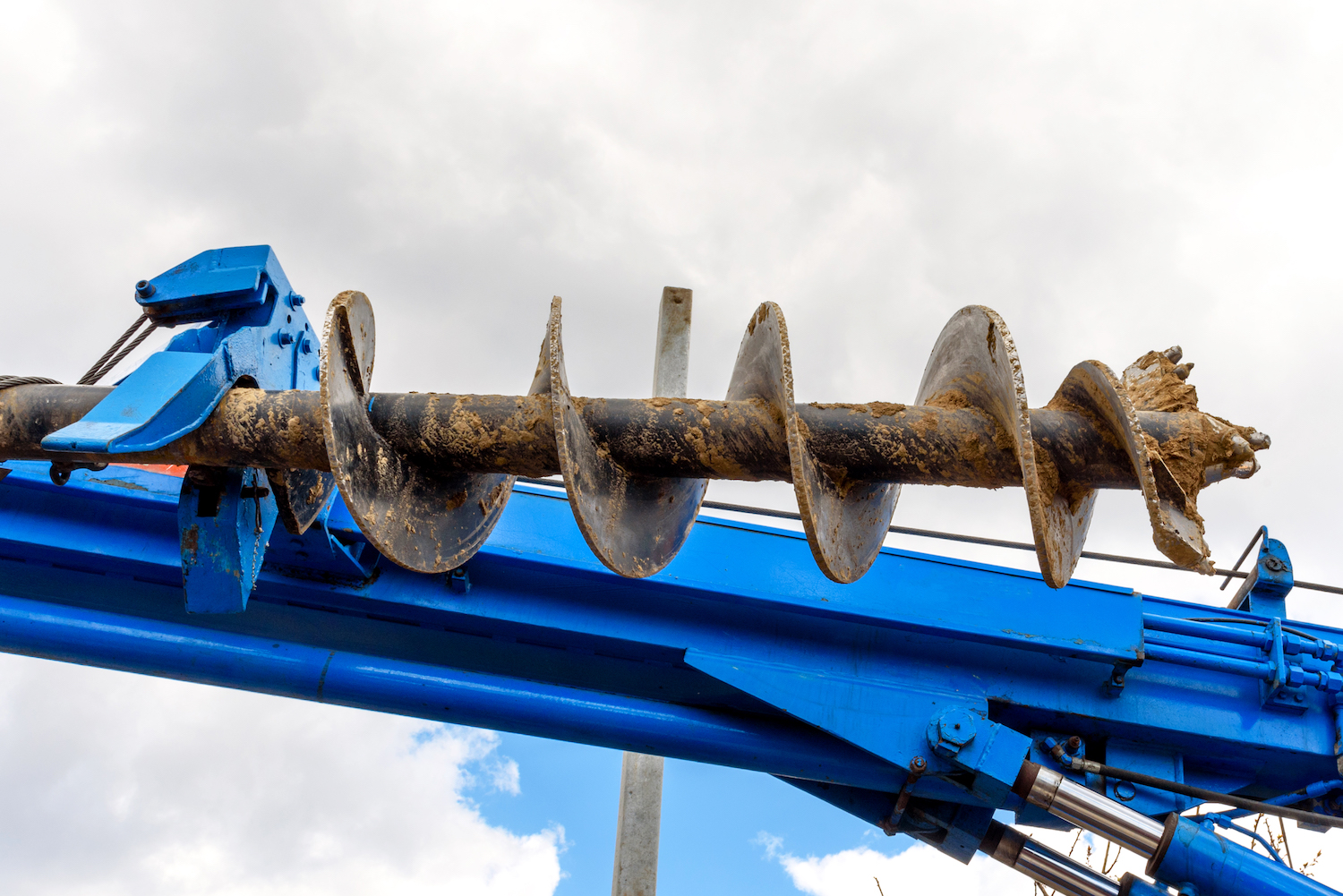
In the mining sector, the safe, controlled, and uninterrupted transport of bulk and loose materials is one of the fundamental elements of production continuity. At this point, screw conveyor systems stand out as mechanical solutions, especially in the transfer of dusty, granular, or small-particle minerals. Thanks to their enclosed structures, working principles suitable for dosing, and designs adaptable to harsh field conditions, they are widely preferred in both surface and underground mining operations.
In this content, we address the most curious topics regarding the use of screw conveyors in the mining sector with an approach focused on technical accuracy, sectoral experience, and providing real benefits to the user. The goal is to offer a clear and reliable guide for businesses currently in the investment phase or looking to improve their existing systems.
What is a Screw Conveyor and Why is it Preferred in Mining?
A screw conveyor is a mechanical system that moves material forward using a rotating screw (helix) inside a pipe or U-type trough. Although its working principle seems simple, if not designed correctly, it can lead to serious wear, clogging, and energy losses.
The main reasons why these systems are preferred in the mining sector are:
- Providing fully enclosed transport for dust and fine-grained materials.
- Reducing environmental pollution and occupational safety risks thanks to its leak-proof structure.
- Ability to work over short and medium distances, even at high inclines.
- Enabling precise dosing and controlled feeding.
Screw conveyors play a significant role, particularly in critical areas such as filter press outlets, under hoppers, and at silo feeding and discharging points.
Which Minerals are Screw Conveyors Used For?
Screw conveyors can be used in many different mining applications depending on the physical structure of the material. Dust, granules, and small-particle minerals constitute the most suitable group for these systems.
Coal and Lignite Applications
Fine-grained coal and coal dust pose serious risks in open systems as they can be explosive and flammable. Screw conveyors allow these materials to be transported safely thanks to their sealed troughs. They also ensure controlled feeding under hoppers.
Cement, Gypsum, and Similar Dusty Minerals
Screw conveyors are widely used in production and packaging lines where dust emission is critical. In such facilities, the aim is not only transport but also the protection of the environment and worker health.
Marble Dust and Aggregate
Fine fractions emerging in crushing and screening plants can cause serious dust problems in open belt systems. Screw conveyors ensure that these fine materials are transferred in a closed and controlled manner.
Metal Ores
In gold, copper, and iron ore processing plants, screw conveyors are used in sensitive applications such as dosing, filter press outlets, and reagent feeding. At this point, designs with high wear resistance are of critical importance.
Industrial Minerals
Minerals such as boron, kaolin, clay, and lime can be in dry or moist forms. Screw conveyors can be customized according to these different characteristics and provide a controlled flow.
How is Screw Conveyor Capacity Determined in Mining?
Capacity calculation is one of the most critical steps in screw conveyor design. Focusing solely on hourly tonnage information can cause the system to fail in a short time.
Low RPM Principle
Materials transported in mining are generally heavy and abrasive. Therefore, it is essential for screw conveyors to operate at low RPMs. High speed leads to the material hitting the trough hard and rapid wear of the screw flights.
Filling Rate (Trough Loading)
In dust and fine-grained minerals, it is not desired for the screw to run fully loaded. A filling rate between 15% and 30% is generally preferred. This ensures that the screw flights operate without being buried in the material, reducing mechanical stress.
Incline Factor
Screw conveyors can operate in horizontal, inclined, and even vertical configurations. However, as the incline increases, capacity drops, and the required motor power rises. Therefore, capacity and drive calculations must be evaluated together in inclined applications.
Choosing the Right Screw Conveyor for Abrasive Materials
One of the most important factors determining equipment life in the mining sector is abrasion. Hard materials like quartz, sand, and metal ores can cause serious deformation in standard designs.
Heavy-Duty Design
In screw conveyors used for abrasive materials, screw flights and trough sheets should be selected to be thicker compared to standards. This approach extends maintenance intervals and reduces unplanned downtime.
Wear-Resistant Materials
Using wear-resistant steels for the screw flights significantly increases the system’s life. Although such materials increase the initial investment cost, they lower the total cost of ownership in the long run.
Shaftless Screw Systems
In sticky, fibrous, or large-particle minerals, the absence of a center shaft provides a great advantage. The shaftless design reduces the risk of clogging and offers a more stable flow, especially with moist materials.
Strong Drive Group
In mining applications, high-torque, low-RPM gearboxes (reducers) should be preferred. Inadequate drive selection can result in motor burnouts and mechanical failures.
Comparison: Screw Conveyor vs. Belt Conveyor
Screw and belt conveyors are systems serving different needs in mining. Screw conveyors stand out in short to medium distances and in applications requiring sealing and precise control. Belt conveyors, on the other hand, are preferred for very long distances and for transporting high-tonnage and relatively coarse materials.
In points requiring incline capability, dust control, and dosing, screw conveyors are more advantageous. Therefore, the two systems should generally be evaluated not as competitors, but as complementary solutions.
Things to Consider for the Right Screw Conveyor Investment
When investing in a screw conveyor, not only the capacity but also the physical properties of the material to be transported, the system’s working conditions, the level of standardization, and occupational safety requirements must be evaluated together. A screw conveyor designed with the correct technical data forms the foundation of a long-lasting, safe, and uninterrupted operation in mining facilities.
Correctly Defining Material Characteristics
Just hourly tonnage information is not sufficient. The material’s moisture rate, particle size, density, and abrasiveness must be clearly stated. This information forms the basis of the correct design.
Spare Parts and Standardization
Screw and shaft structures produced in standard dimensions minimize downtime in case of malfunction. Special and unique designs can create disadvantages for the operation in the long run.
Safety Equipment
Safety switches, clogging sensors, and protective covers are of vital importance in risky environments like mining. These equipment pieces should be evaluated as safety investments, not as cost items.
Conclusion
If dusty, abrasive, or materials requiring controlled transport are in question in the mining sector, screw conveyor systems offer a safe and efficient solution. A screw conveyor designed with correct material information and suitable for heavy-duty conditions ensures long life, low maintenance costs, and high operational continuity. In short distances, high inclines, and applications where sealing is critical, these systems continue to be among the indispensable equipment of mining facilities.
Frequently Asked Questions
Why Do Clogs Occur in Screw Conveyors?
Sticky materials like clay and moist coal can adhere to the screw shaft or flights, blocking the flow. This situation is generally associated with incorrect design or inappropriate material selection. Shaftless screws and speed control systems significantly reduce the risk of clogging.
Can Wet or Muddy Mining Waste Be Transported?
Transporting wet and muddy waste is possible, but sealing design is critical. Pipe-type, fully enclosed troughs and systems with external bearings are more suitable for such applications. Otherwise, the lifespan of bearings and bushings will be seriously shortened.
What Should Be Done When Screw Flights Wear Out?
Filling worn flights with welding may seem like a solution in the short term, but it can lead to balance problems and increased energy consumption. When wear exceeds a certain level, replacing the screw group entirely is usually healthier and more economical.