

In the mining sector, production efficiency is directly dependent on the safe, uninterrupted, and economical transportation of material. Increasing production depths, complex facility layouts, and rising operating costs cause traditional transportation methods to remain insufficient in many applications. At this point, elevator conveyor systems with vertical and high-inclination transport capabilities are among the indispensable solutions of modern mining operations.
This content addresses why elevator conveyor systems are a strategic investment in mining, in which areas they are used, and the technical criteria to be considered for the correct system selection.
What Are Elevator Conveyor Systems in Mining?
Elevator conveyor systems are mechanical transport equipment that enable the transportation of bulk materials along vertical or high-inclined lines. These systems are used in areas where the inclination limits of classic belt conveyors are insufficient. They offer significant advantages especially in mine sites where high elevation differences need to be overcome in limited areas.
System Design and Types
Elevator conveyors can be designed with bucket, pallet, or sidewall belt structures according to the transportation need. Systems are customized according to the density, particle size, moisture content, and abrasive properties of the material they carry.
Elevator Conveyor Usage in Open Pit Mining
As the production depth increases in open pit operations, transporting the ore to the surface becomes a serious logistical problem. Systems based on truck transportation are disadvantageous both in terms of cost and environmental aspects due to increasing distance and fuel consumption.
Distance and Time Advantage with Vertical Transport
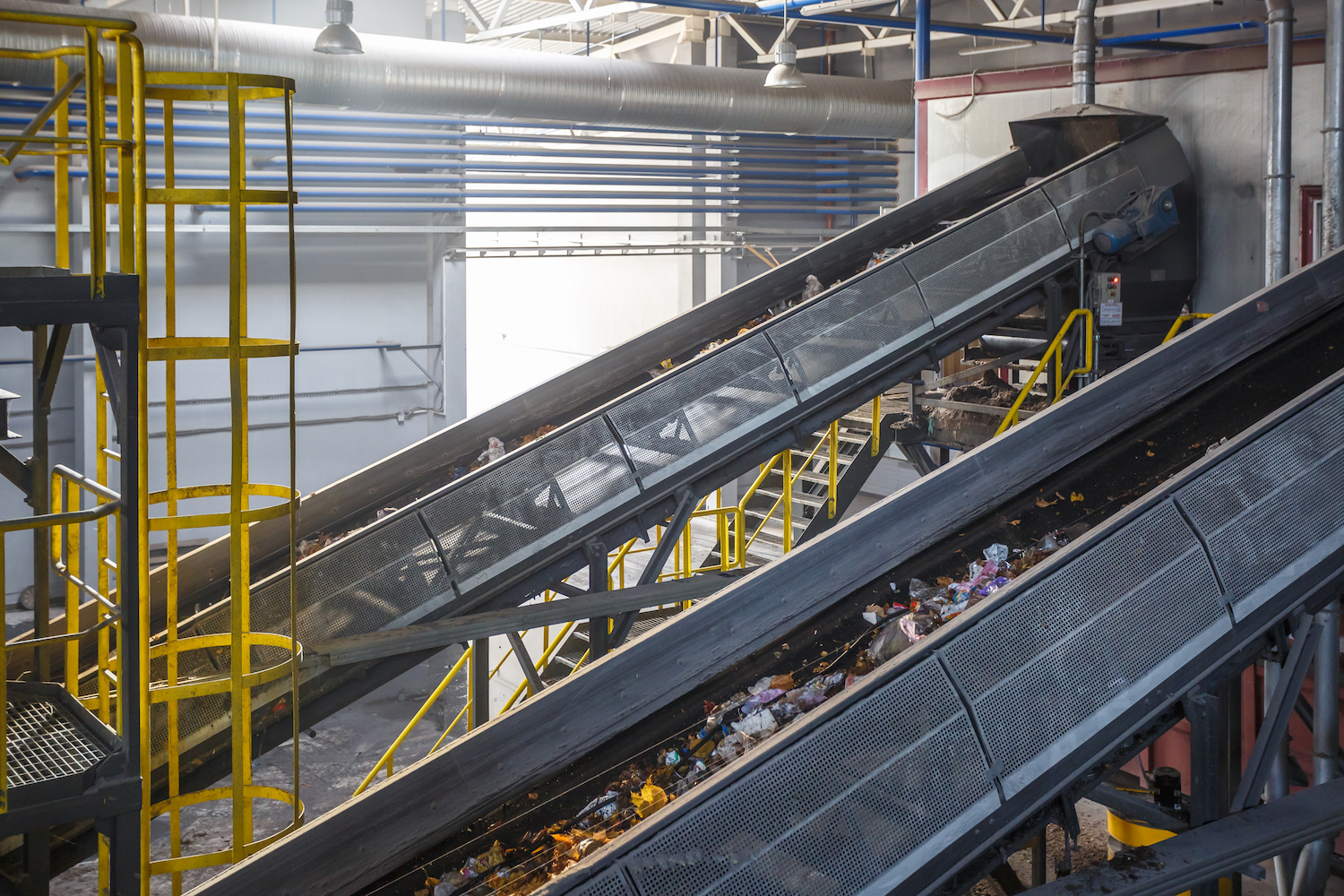
Standard belt conveyor systems are generally limited to a 16–18 degree inclination to prevent material rollback. Elevator conveyor systems, on the other hand, can operate at angles close to the vertical line thanks to special belt and bucket structures. This feature makes it possible to lift the ore directly from the pit bottom to the surface and eliminates the need for long ramps.
Reduction in Operating Expenses
The use of elevator conveyors in open pit sites allows for a reduction in the number of trucks. This provides a serious decrease in fuel consumption, tire wear, and maintenance costs. A continuously operating conveyor line supports production with constant capacity regardless of shifts.
Durability Against Harsh Environmental Conditions
Open pit sites have challenging conditions such as dust, mud, precipitation, and temperature changes. Elevator conveyor systems offer stable performance under these conditions thanks to their reinforced mechanical components and protected body structures.
Importance of Elevator Conveyor Systems in Underground Mining
In underground mining, space is limited, and transport systems need to be safe, compact, and efficient. Vertical connections between production points and surface facilities are generally provided via shafts.
Continuous and Uninterrupted Material Flow
Traditional skip or bucket hoist systems operate intermittently depending on filling and discharging cycles. Elevator conveyor systems, however, transport material in a continuous flow, reducing bottlenecks that may occur in production processes.
Advantages in Terms of Occupational Health and Safety
Elevator conveyor belts used in underground mines are selected with antistatic and flame-resistant properties. These features minimize risks, especially in coal and similar flammable mines. The reduced need for manual intervention in the closed gallery environment also increases work safety.
Shortening of Mine Preparation Times
Transport via a vertical shaft requires less excavation compared to long spiral ramps. This shortens the mine preparation time and lowers initial investment costs.
Elevator Conveyor Solutions in Crushing and Screening Plants
Crushing and screening plants are generally established on rugged terrains or in limited industrial areas. Material transfer within the facility requires an efficient layout plan.
Optimization of Space Usage
Large areas are needed to reach high elevations with horizontal conveyors. Elevator conveyor systems significantly reduce the footprint of the facility thanks to their vertical transport capability.
Reduction of Dust and Material Loss
Closed-body or enclosed elevator conveyor structures prevent fine material formed after crushing from spreading to the environment. In this way, both environmental requirements are met and product loss is minimized.
Ease of Maintenance and Service
Elevator conveyor systems with a modular structure allow for the rapid replacement of worn parts. This supports operational continuity by reducing facility downtimes.
Elevator Conveyor Usage in Beneficiation Plants
Materials transported in beneficiation plants are generally high-moisture, chemical-containing, or heavy concentrates. These properties make the durability of transport equipment critical.
Product Protection with Leak-Proof Design
Elevator conveyor systems are designed with leak-proof body structures for the lossless transport of valuable concentrates. In this way, both product loss is prevented and hygiene within the facility is maintained.
Resistance to Corrosion
In facilities where chemical flotation or acidic environments exist, elevator conveyor chassis are produced with stainless steel or special coatings. This engineering approach ensures the system operates problem-free for a long time.
Technical Criteria to Consider in Elevator Conveyor Selection
The following technical criteria must be taken into account when selecting an elevator conveyor:
- Physical properties of the material to be transported
- Capacity need and vertical transport height
- Transport speed and belt width
- Environmental conditions and energy efficiency
- Ease of maintenance and safety standards
Belt Strength
In deep shaft applications, the belt must safely carry both the transported material and its own weight. Therefore, high-strength steel cord belts are preferred.
Transport Speed and Capacity
Transport speed should be determined according to the abrasiveness and particle size of the material. The targeted hourly tonnage is directly related to the belt width and bucket or pallet volume.
Thermal and Mechanical Resistance
In applications where high-temperature materials are transported, heat-resistant belts should be used. Wear-resistant liner plates should be preferred at feeding and discharge points.
Why Should Investment Be Made in Elevator Conveyor Systems in Mining?
Elevator conveyor systems are not only a transport solution in mining operations but also a long-term efficiency and cost management tool. They raise the total performance of facilities by eliminating space constraints, optimizing energy consumption, and increasing work safety.
An elevator conveyor system designed by taking into account geological conditions, physical properties of the material to be transported, and target production capacity moves mining enterprises to a more sustainable and competitive structure. Correct engineering approach and quality equipment selection ensure the system operates safely for many years.