


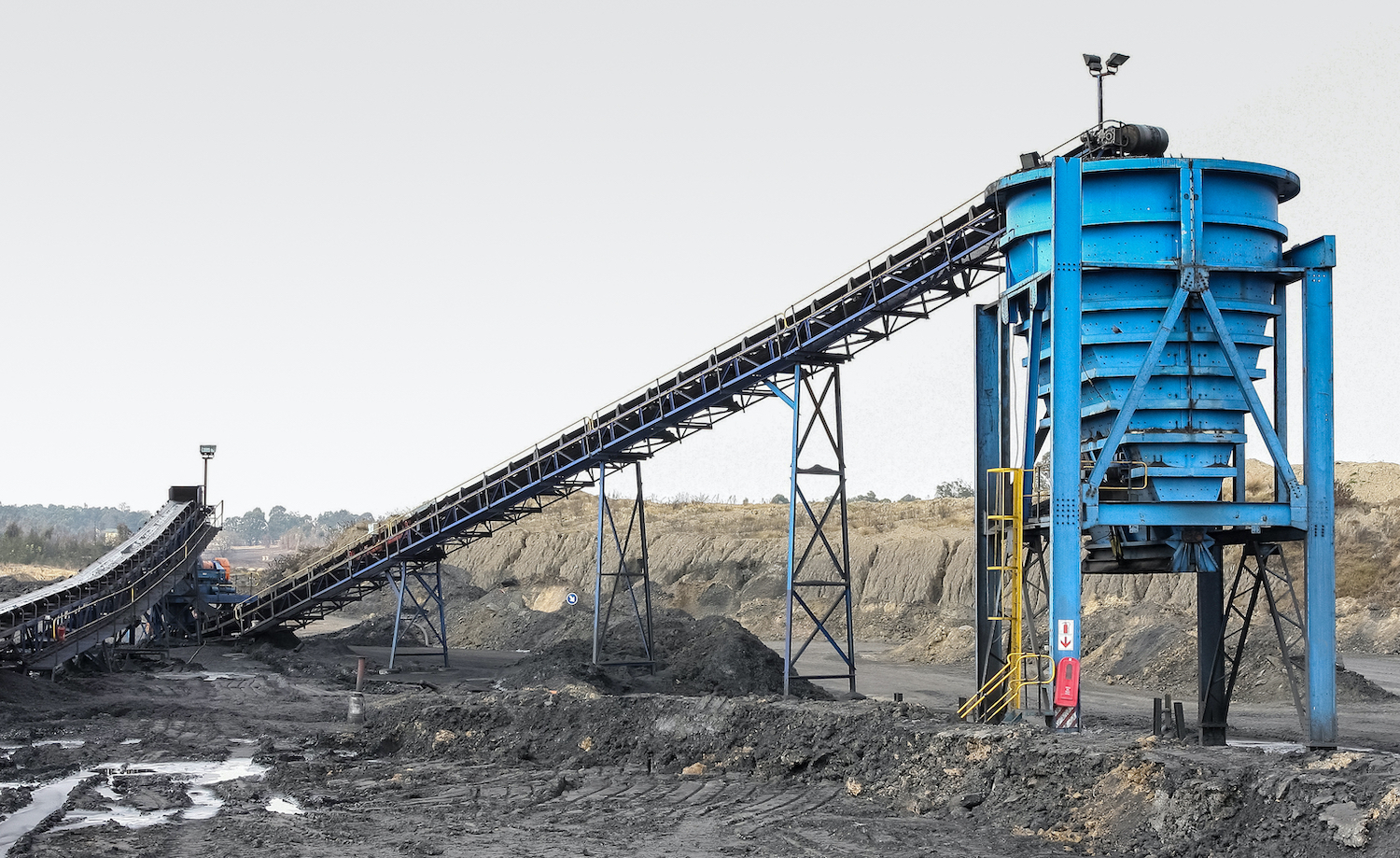
Conveyor belts play a vital role in the load-carrying operations of industrial facilities. The lifespan and performance of a conveyor belt depend on its endurance properties. The correct selection of the main elements determining this endurance both reduces operating costs and increases operational efficiency. The most critical fundamental elements affecting belt endurance must be examined in detail for the efficiency of belt conveyor systems.
Belt Conveyor Carcass Types and Endurance Classes
The carcass, which is the load-bearing skeleton of the conveyor belt, provides the belt’s fundamental tensile strength and controls its elongation under tension. The material used determines what types of loads and working conditions the belt is suitable for. While EP (Polyester-Polyamide) carcasses are unaffected by moisture, NN (Nylon-Nylon) carcasses offer higher flexibility and shock absorption capability. Steel cord carcasses provide the highest strength and long-distance conveying capacity. The strength of these carcasses is measured in kN/m (kilonewton/meter) values, which express the belt’s resistance to breaking, and this value is the most critical parameter indicating the maximum tension the conveyor can handle.
Cover Quality and Abrasion Resistance in Belt Conveyors
The cover, which coats the upper and lower surfaces of the conveyor belt, is the belt’s first line of defense against the abrasive effects and impacts of the conveyed material. The quality of the cover material (special rubber compounds) directly affects the belt’s lifespan by protecting its surface integrity. High-quality covers exhibit superior resistance to friction and abrasion; this prevents premature wear, especially in applications where aggressive materials like sand, gravel, or ore are conveyed, and minimizes the maintenance costs of the belt conveyor system.
Endurance Criteria in Belt Conveyor Covers under Severe Working Conditions
Beyond standard mechanical endurance, special endurance requirements arise for some demanding applications. These requirements protect the belt against the harsh environments in which the conveyor will operate and ensure uninterrupted operation. For example, heat-resistant cover compounds are mandatory for belt conveyors transporting high-temperature materials. In environments where there is contact with petroleum derivatives, grease, or chemicals, the cover is expected to have high oil and chemical resistance. Finally, in applications where sharp or large-piece materials are conveyed, the belt’s high resistance to cutting and longitudinal tearing is critically important to prevent sudden failures.