

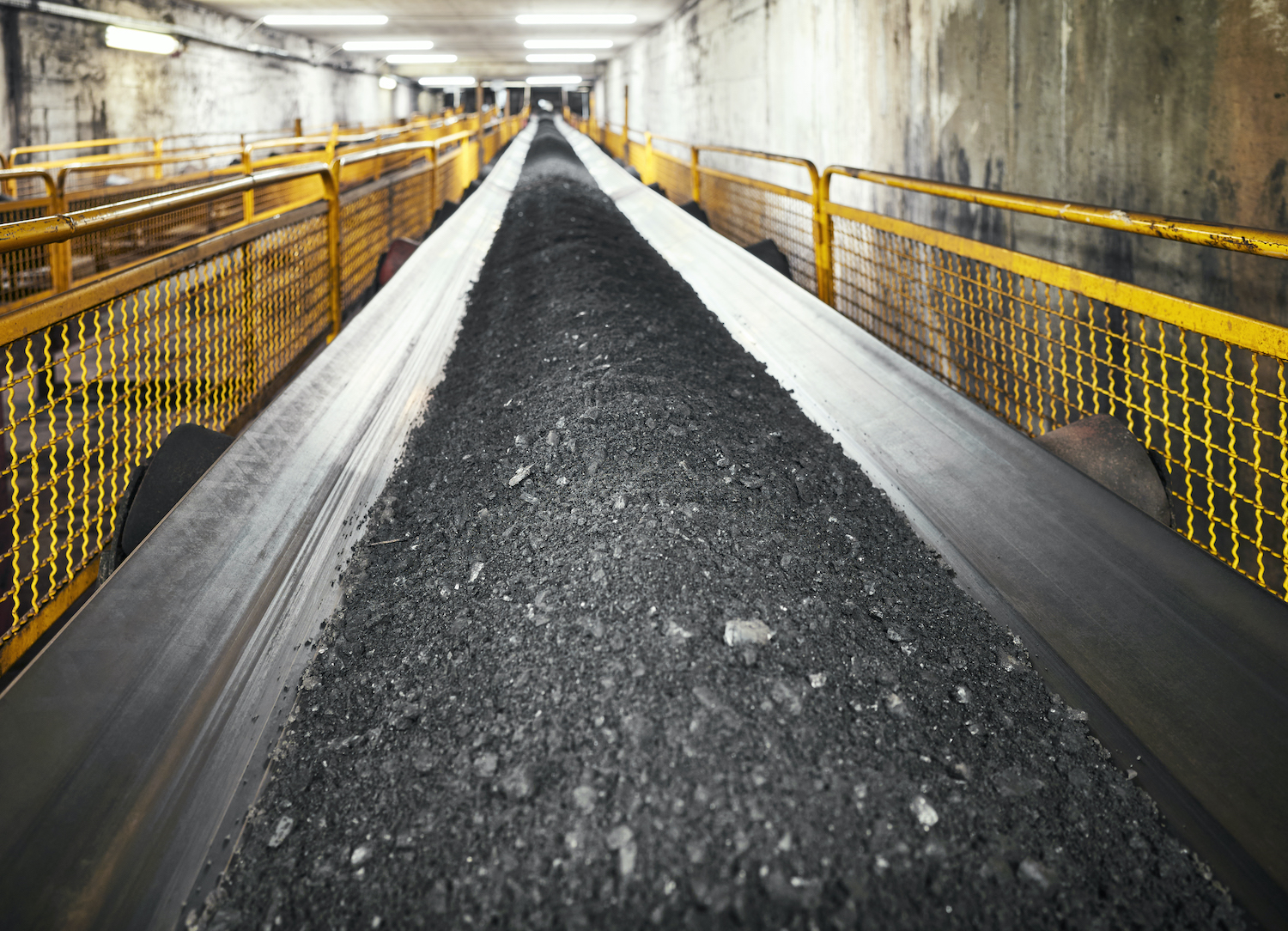
The mining sector works with heavy and high-volume materials be it ore, coal, stone, or whatever else that must move between challenging elevation differences. This is where elevator conveyor systems come into play. Operating on both vertical (elevator) and horizontal/inclined (conveyor) lines, these systems are considered the backbone of modern mining facilities. By simultaneously offering continuous transport, energy efficiency, and safety, they make production both more efficient and more sustainable.
Efficiency and Safety Benefits of Elevator Conveyors
- Energy Efficiency: Significant energy savings are achieved as friction is reduced through optimized roller and bearing systems.
- Continuous Transport: They maintain a steady, smooth flow of high-volume material at a constant speed, minimizing the risk of blockages or stoppages.
- Dust and Environmental Control: The enclosed system structure effectively prevents dust dispersion, protecting both employee health and the environment.
- High Safety: The low risk of mechanical contact elevates job safety standards to the highest level.
In short, elevator conveyors are no longer just transport equipment; they are an indispensable part of sustainable mining.
Belt Conveyor vs. Bucket Elevator: Choose the Right System
Selecting the most suitable system is critical, depending on the material type and the direction of movement required:
- Belt Conveyors: They are the most economical solution for long distances and horizontal or slightly inclined transport. They are ideal for high-tonnage materials like coal, stone, and ore, offering low maintenance requirements and high energy efficiency.
- Bucket Elevators: If vertical transport is necessary, this is the best option. They show superior performance with dusty or fine-grained materials (cement, ore dust, lime, etc.). Their enclosed casing prevents both dust formation and material loss. They also provide high capacity even in confined mine areas.
The correct system choice directly impacts not only transport capacity but also energy consumption, maintenance frequency, and long-term operating costs.
How to Increase Wear Resistance in Elevator Conveyors?
The environment in mining is harsh: abrasive material, moisture, vibration, dust… Therefore, selecting the right material is vital for the system’s longevity:
- Wear-Resistant Materials: Components like rubber-compound belts, reinforced steel buckets, or high-strength polymers must be used.
- Protective Linings: Wear-resistant steel liners are a must, especially in lines carrying coal and iron ore.
- Maintenance and Monitoring: Regular inspection plans, combined with sensor-supported early fault detection, can extend the system’s life by 3–5 times.
- Dust Isolation: The enclosed casing structure prevents not only material loss but also corrosion inside the equipment.