


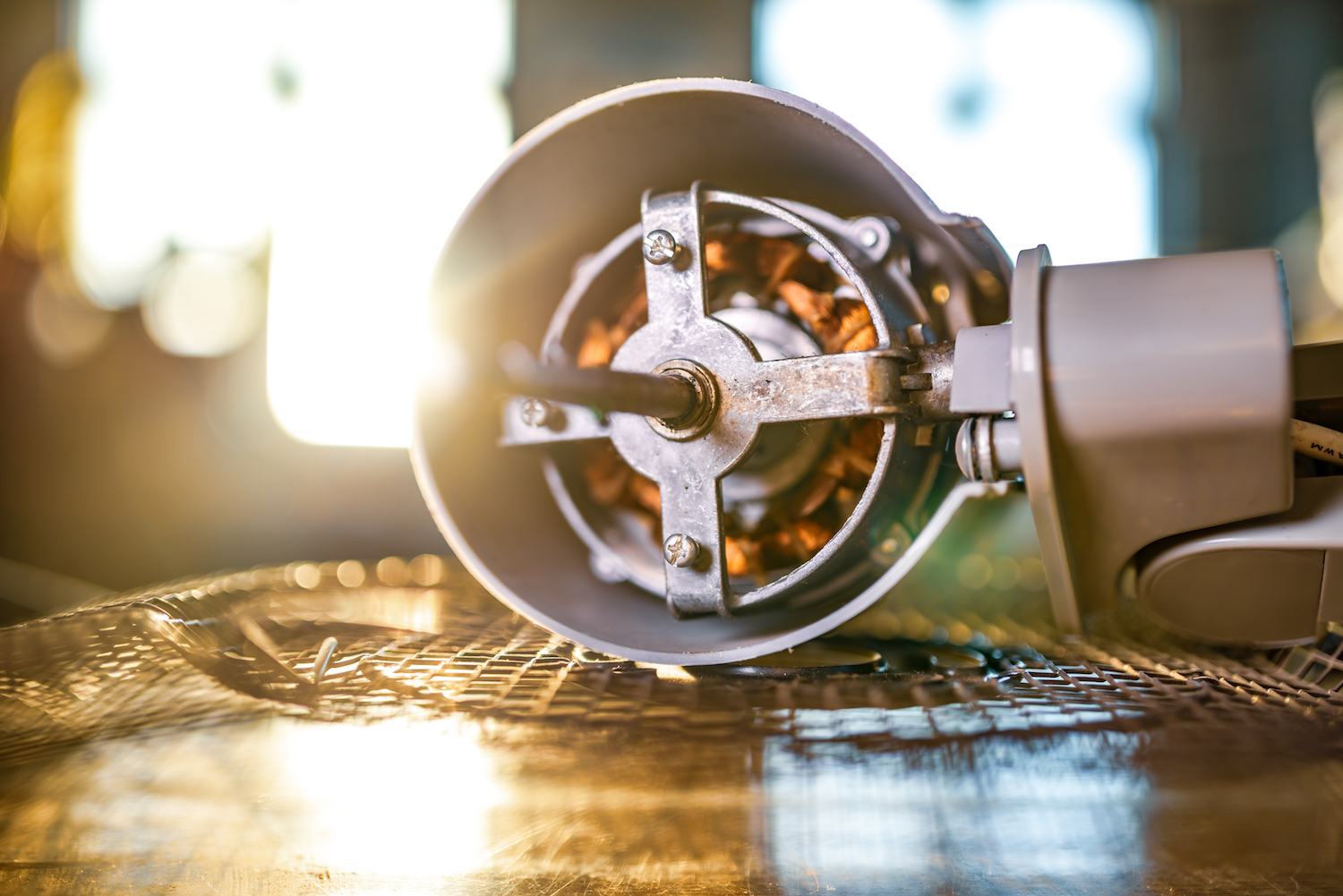
In industrial production processes, the controlled and smooth transfer of bulk materials from one point to another is of great importance. One of the main pieces of equipment ensuring this critical flow management is the rotary airlock valve (star feeder, rotary valve). Discharging material from the bottom of a hopper with its rotating vane (rotor) structure at precise intervals, this device primarily manages the flow of dust and granular materials coming from silos, bunkers, or cyclones. Rotary airlock valves ensure a uniform and uninterrupted feed of material, directly increasing the efficiency and stability of the entire production line.
Function and Structural Features of the Rotary Airlock Valve
The primary function of the rotary airlock valve is to discharge material at a controlled speed, in addition to serving as a vital sealing element. Especially in high-pressure or vacuum lines like pneumatic conveying systems, it absolutely prevents dust leakage to the outside by maintaining the pressure differential within the system. This sealing feature plays a critical role in adhering to Occupational Health and Safety (OHS) standards and environmental regulations.
Composed of basic parts such as the housing, rotor, motor, and seals, this equipment is manufactured with different material options, from stainless steel to cast iron, and customized rotor designs, depending on the material type and application conditions (abrasive, corrosive, etc.).
Rotary Airlock Valve Applications and Advantages
Rotary airlock valves are widely used across a broad spectrum of industries, including food, chemical, plastic, cement, mining, and agriculture. They are an effective solution for conveying various bulk materials like powder coatings, flour, plastic granules, and cement dust.
- The main strategic advantages their use provides are:
- Improving quality by feeding the material in a regular flow.
- Ensuring operational safety by preventing dust leakage.
Optimizing energy consumption.
Why is the Correct Rotary Airlock Valve Selection Important?
The selection of a rotary airlock valve must be made considering the properties of the material to be conveyed (abrasiveness, particle structure), the flow rate, and the system’s operating conditions (pressure, temperature). An incorrect selection can lead to clogging, irregular material flow, or rapid equipment wear. Therefore, investing in a rotary airlock valve with the correct capacity and material specifications is vital for a long-term, uninterrupted, and trouble-free operation.